
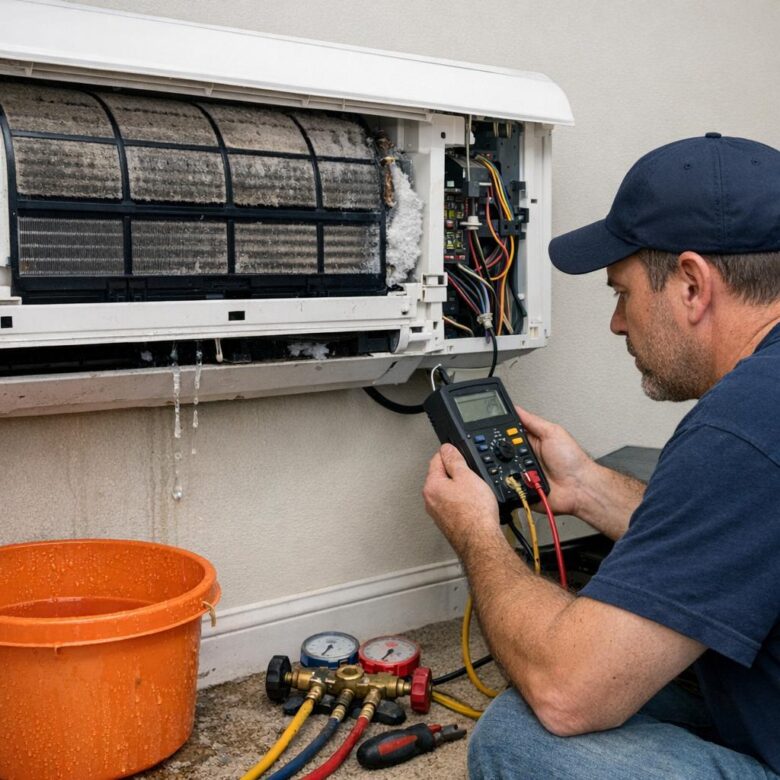
AC problems often stem from dirty filters, refrigerant leaks, or worn parts. Minor fixes may be affordable, but weak cooling, odd noises, or leaks warrant a technician.

By Editorial Team • Updated regularly • Fact-checked content Note: This content is provided for informational purposes only. Always verify details from official or specialized sources when necessary. Think your home insurance automatically covers roof damage? Think again. Your roof is one of the most expensive parts of your home to repair, yet it’s also …
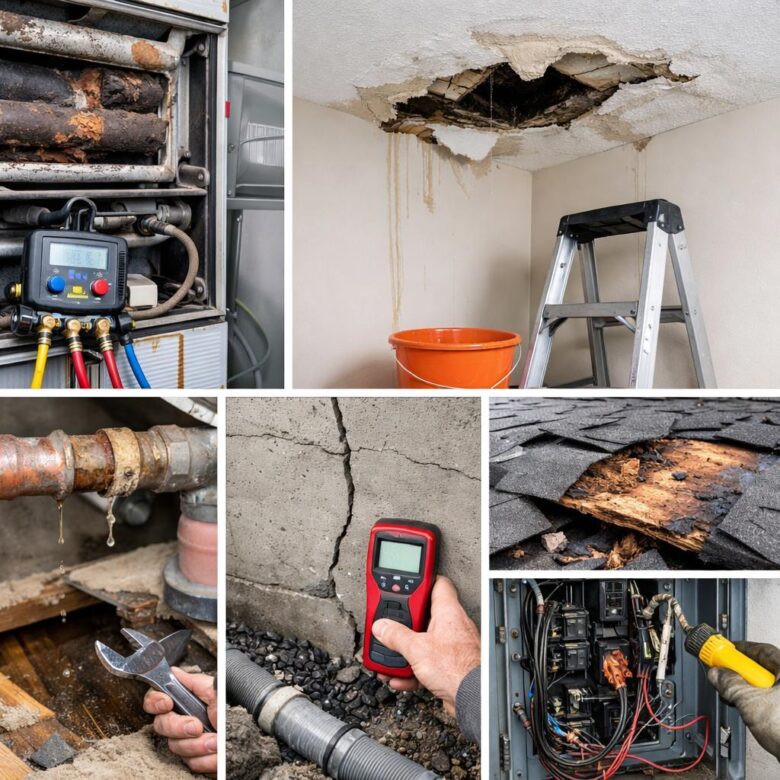
Roof leaks, foundation cracks, and HVAC failures can cost thousands. Prevent them early with annual inspections, drainage checks, filter changes, and prompt minor repairs.
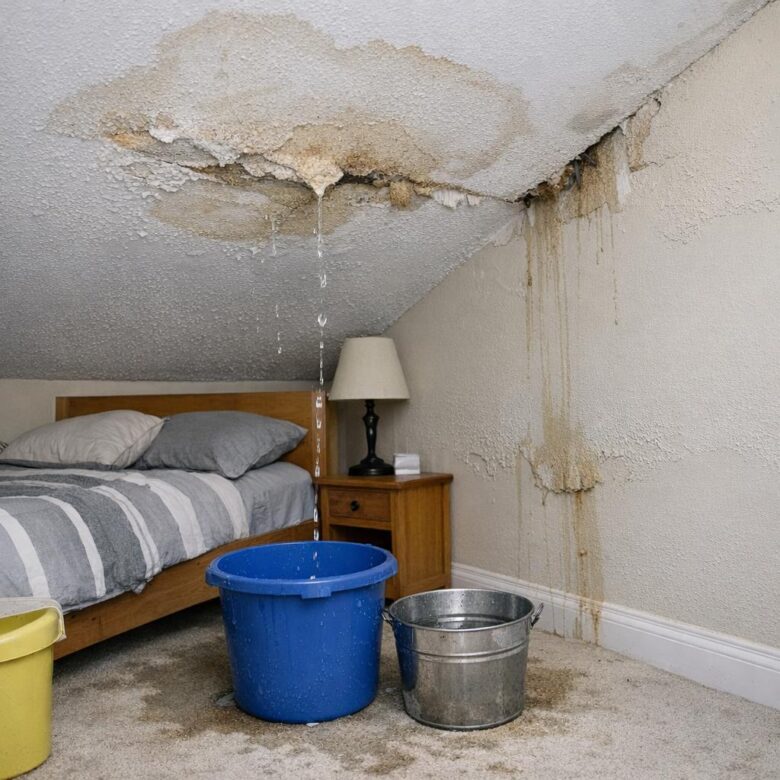
After heavy rain, check ceilings, attic beams, walls, and flashing for stains, damp insulation, peeling paint, musty odors, or dripping-early signs your roof may need prompt repair.
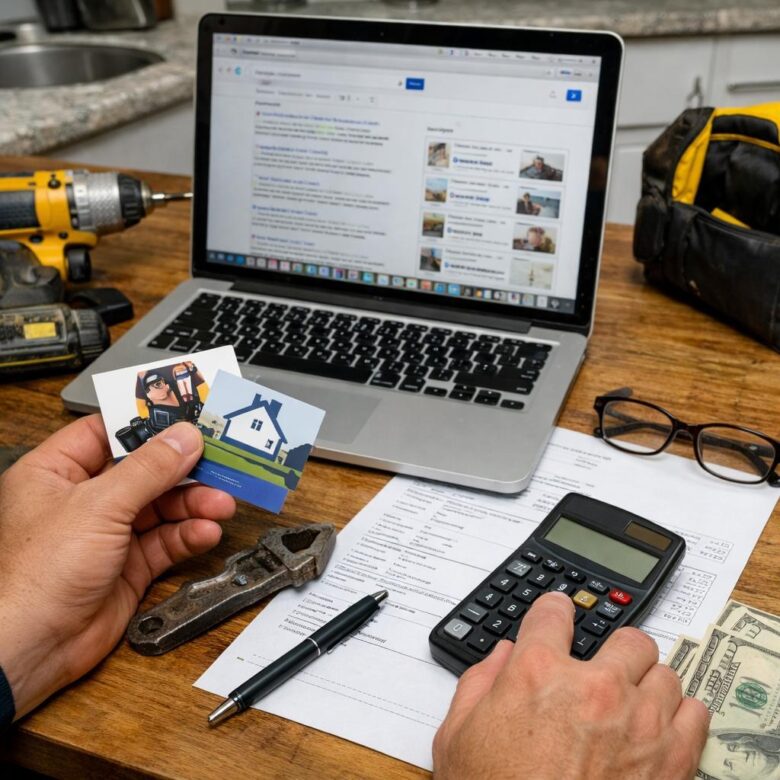
Compare licensed local contractors, verify reviews and insurance, request written estimates, and avoid large upfront payments to secure quality home repairs at fair prices.
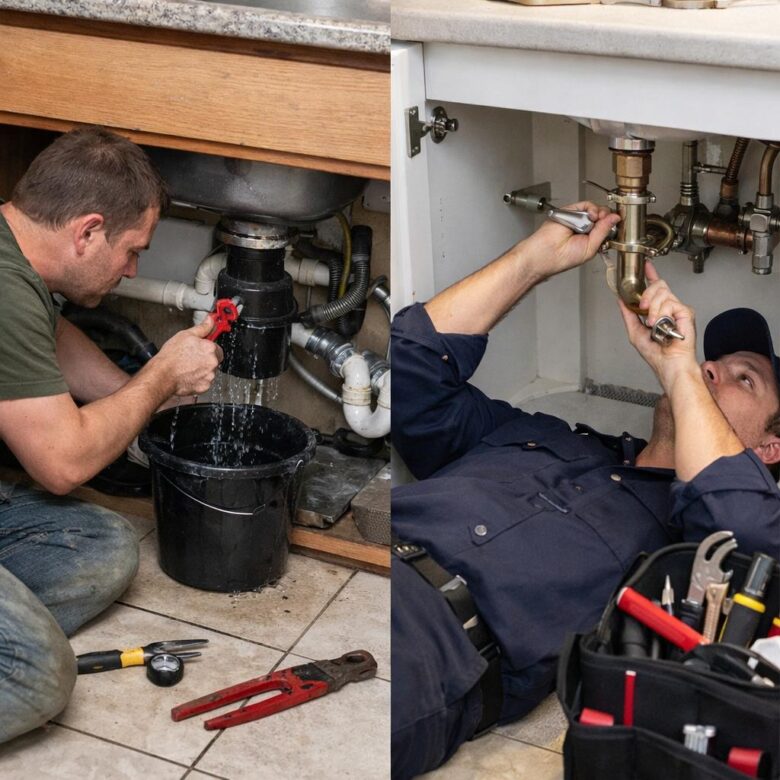
Skip DIY for electrical, gas, structural, or major plumbing repairs. A licensed pro protects your home, safety, permits, and insurance coverage.
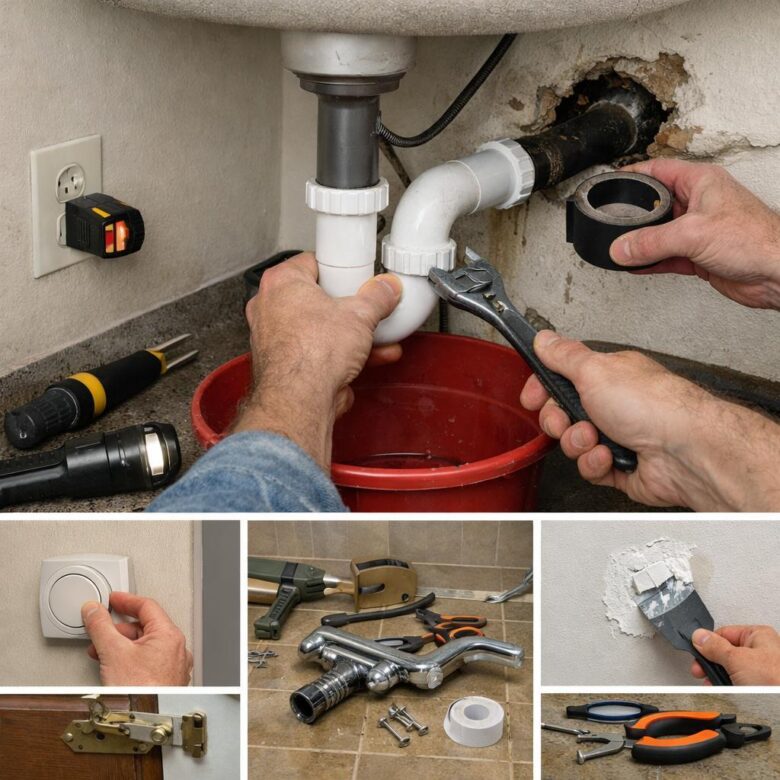
Before calling a pro: check breakers, reset GFCI outlets, clear drain traps, tighten loose fittings, and shut off water if leaks persist.
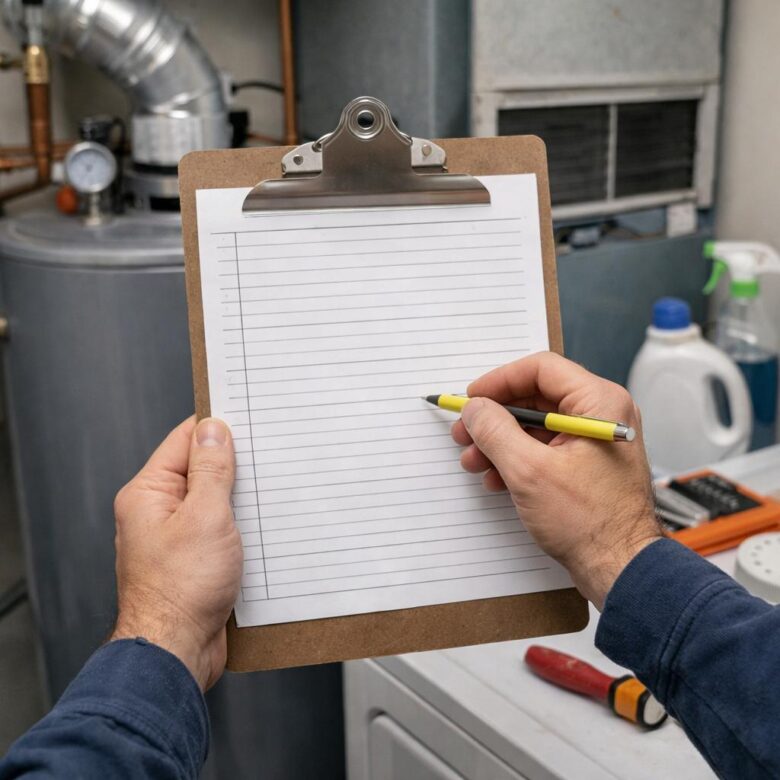
Monthly home maintenance helps prevent costly repairs: test alarms, inspect leaks, clean filters, check gutters, and review exterior surfaces for early damage.
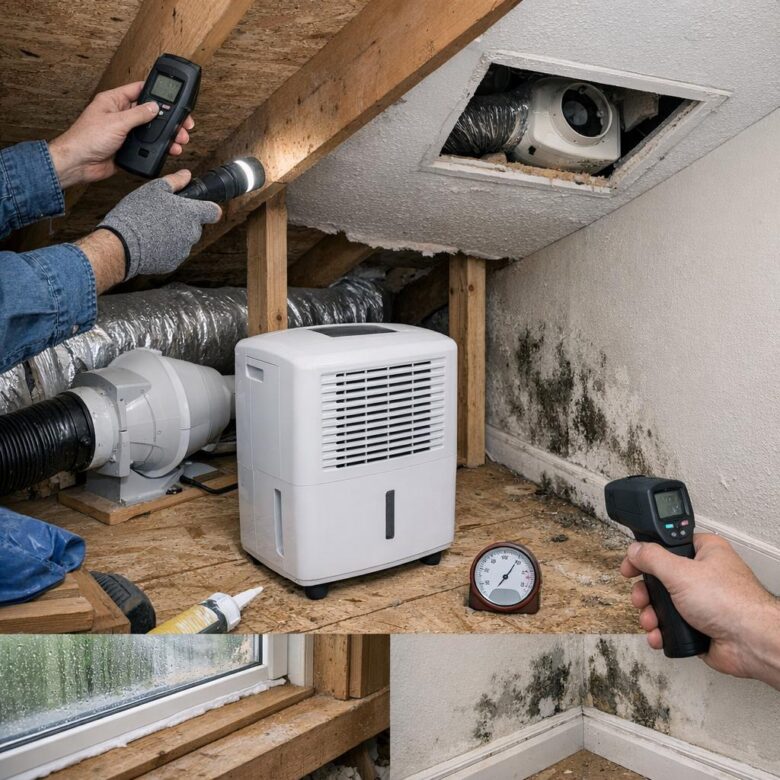
Prevent mold by keeping indoor humidity below 50%, fixing leaks promptly, and improving airflow in bathrooms, kitchens, and attics with proper vents and exhaust fans.
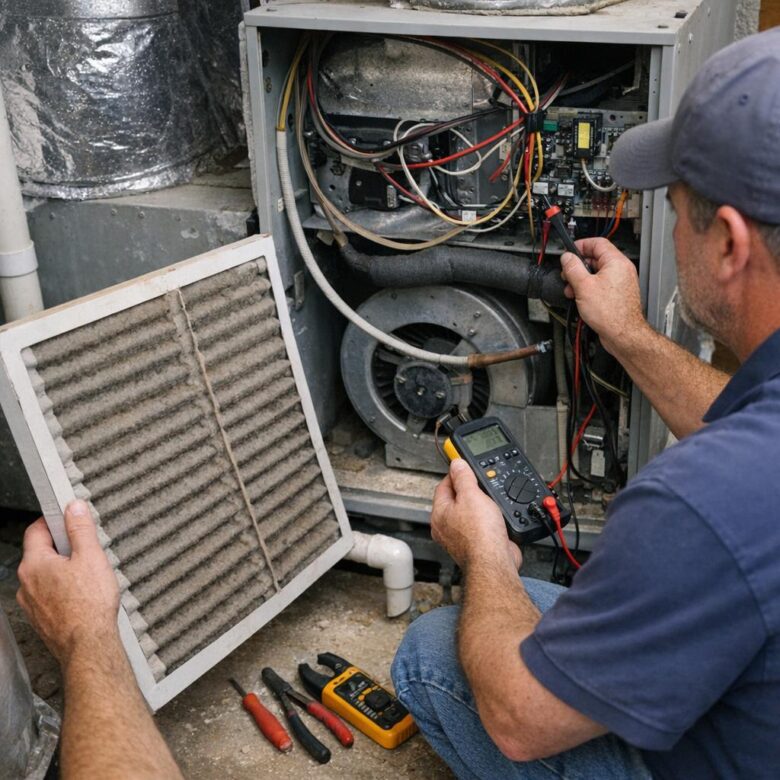
Routine HVAC maintenance keeps filters clean, airflow balanced, and parts inspected-helping lower energy bills, extend equipment life, and prevent costly repairs.