HVAC Maintenance Guide: How to Lower Energy Bills and Avoid Repairs
An HVAC system can lose efficiency before there is an obvious failure.
Dust buildup, dirty or restrictive filters, blocked airflow, and missed service can contribute to higher energy use and reduced comfort.
Routine maintenance can improve operating efficiency, support equipment life, and reduce—but not eliminate—the likelihood of unexpected repairs.
This guide separates practical homeowner checks from work that should be handled by an HVAC technician.
Why HVAC Maintenance Can Lower Energy Use and Reduce Repair Risk
ENERGY STAR’s HVAC maintenance checklist identifies filters, coils, airflow, refrigerant charge, condensate drainage, electrical connections, and controls as important service items. Problems in these areas can increase energy use, reduce performance, or shorten equipment life. The effect on a utility bill depends on the weather, energy rates, equipment condition, and how the home is used.
Filter care has a specific, defensible energy benefit. According to U.S. Department of Energy guidance, routinely cleaning or replacing air-conditioner filters can reduce the air conditioner’s energy consumption by 5% to 15%. That range applies to air-conditioning energy use—not the home’s total energy bill—and the result depends partly on how dirty or restrictive the previous filter was.
A pre-season professional check can identify developing airflow, drainage, electrical, or control problems before peak heating or cooling demand. It cannot guarantee that a component will not fail.
- Homeowner filter care: Check the filter at the interval specified in the equipment manual and replace or clean it as directed. Use the correct dimensions and an appropriate efficiency rating.
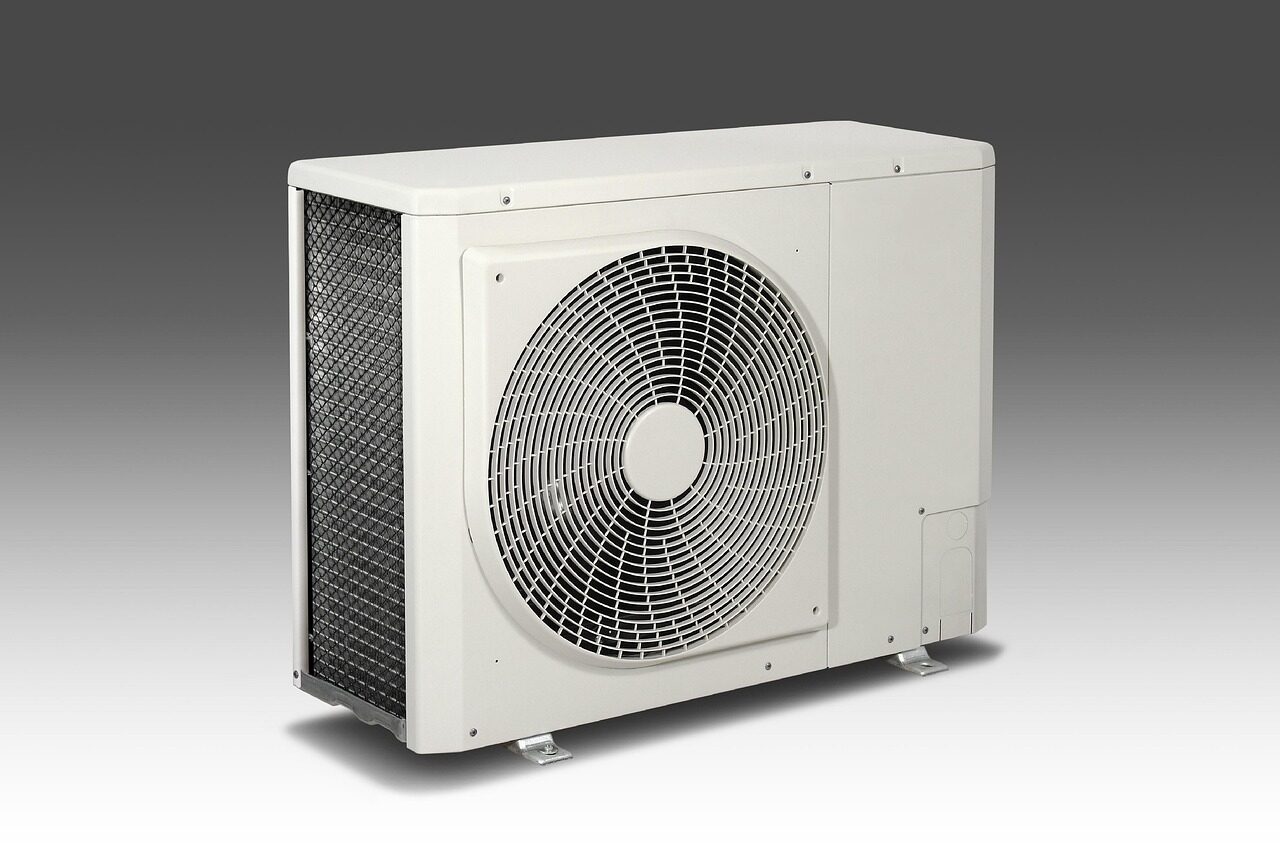
- Homeowner airflow checks: Keep supply registers, return grilles, and the area around the outdoor unit free of obstructions.
- Professional service: Coil condition, refrigerant charge, electrical components, blower operation, controls, and combustion safety should be inspected or serviced by a qualified technician.
Proper filter fit and replacement can support particle removal, while condensate maintenance can help control unwanted moisture. HVAC maintenance should not be treated as a guarantee of healthier indoor air.
An ENERGY STAR-certified smart thermostat that is compatible with the HVAC system may also reduce unnecessary runtime. ENERGY STAR estimates average savings of about 8% on heating and cooling bills, but actual results vary by climate, occupancy, comfort preferences, equipment, and thermostat settings. Runtime reports can reveal unusual patterns, but they cannot diagnose the cause by themselves.
Seasonal HVAC Maintenance Checklist for Better Efficiency and Fewer Repairs
Seasonal checks can reveal blocked airflow, drainage problems, or performance changes before the busiest heating and cooling periods.
- Spring: Inspect or replace the filter as directed, remove loose leaves and debris from around the outdoor unit without opening its cabinet, and test cooling mode when outdoor conditions and the equipment manual permit.
- Fall: Test heating mode, inspect accessible ductwork for obvious disconnections or damage, and check the home’s carbon monoxide alarms.
- Regularly: Make sure supply and return vents remain open and unblocked. Review thermostat reports and utility use for changes, allowing for differences in weather, rates, and household schedules.
- Before peak seasons: ENERGY STAR recommends a professional cooling-system check in spring and a heating-system check in fall, as applicable to the home’s equipment.
The U.S. Consumer Product Safety Commission recommends carbon monoxide alarms on every level of a home and outside sleeping areas. Test CO alarms monthly and follow the manufacturer’s battery and end-of-life replacement instructions. This protection is relevant to homes with fuel-burning equipment or an attached garage, not only those with gas furnaces.
Visible duct inspection is worthwhile. ENERGY STAR reports that a typical forced-air house can lose approximately 20% to 30% of the air moving through its ducts because of leaks, holes, or poor connections. Homeowners can look for disconnected joints, obvious gaps, or crushed flexible ducts in safely accessible areas. Concealed leakage may require professional testing; do not enter an unsafe attic or crawl space.
If an air conditioner runs longer than expected after a filter change, several factors may be involved, including outdoor temperature, humidity, thermostat schedules, duct leakage, building heat gain, equipment sizing, airflow restrictions, coil condition, or a refrigerant problem. Runtime alone is not a diagnosis. Persistent longer cycles accompanied by reduced comfort or cooling capacity warrant professional service.
Water near the indoor unit, drain backup, weak airflow, unfamiliar noises, and frequent cycling are nonspecific warning signs. A plugged condensate drain can cause water damage and affect indoor humidity, but drain access and cleaning procedures vary by system. Follow the manual or request service. For a new burning or electrical odor, stop using the system and seek prompt professional help; if there is smoke or fire, leave the area and contact emergency services.
Keep the outdoor unit clear of debris and vegetation. About two feet is a common rule of thumb in DOE guidance, but the manufacturer’s specified side and overhead clearances control. Keep registers open and unblocked unless the system’s zoning or manufacturer instructions state otherwise. A DOE review of HVAC research found that closing registers generally does not save energy and can change duct pressure, leakage, and airflow.
Common HVAC Maintenance Mistakes That Waste Energy and Shorten System Lifespan
Waiting until the system stops working can turn planned service into an emergency call. Routine maintenance may identify developing problems and reduce repair risk, but it cannot prevent every breakdown.
Another common mistake is installing the wrong filter or replacing it on an arbitrary schedule. The EPA recommends MERV 13—or the highest rating the system’s fan and filter slot can accommodate. Equipment age alone does not determine filter suitability. Match the filter’s dimensions and rating to the manual, and consult a technician if the system’s airflow requirements are unclear.
- Using inefficient thermostat schedules: Programmable and smart thermostats can reduce unnecessary runtime only when their schedules match the household’s needs.
- Blocking vents: Furniture, rugs, and closed registers can contribute to uneven temperatures and airflow problems.
- Ignoring condensate warning signs: Water, drain backup, or repeated shutdowns should be addressed according to the equipment manual or by a technician.
- Opening equipment panels: Electrical, refrigerant, blower, and internal coil work is not routine homeowner maintenance.
Generic advice to hose down a condenser or use chemical coil cleaner, a brush, or a fin comb is not appropriate for every unit. Cleaning products, coil coatings, access procedures, and allowable water pressure vary. Unless the manufacturer expressly authorizes additional steps, limit homeowner care to removing loose external debris and maintaining the required clearance. Do not open access panels or spray electrical components.
Low refrigerant should not be treated as a normal condition that requires periodic topping off. Refrigerant is not routinely consumed by the system. The EPA advises repairing refrigerant leaks rather than repeatedly adding refrigerant to a leaking system. Refrigerant-circuit work requires an appropriately certified technician.
If the system becomes noisy, cycles frequently, or struggles to maintain the set temperature, first verify accessible items such as thermostat settings, filter condition, and open vents. If the problem continues, schedule professional service rather than repeatedly lowering or raising the thermostat.
The Bottom Line: A Practical HVAC Maintenance Routine
Consistent HVAC maintenance is a practical way to manage energy use and equipment risk. Focus on a few repeatable steps:
- Use the correct filter and inspect it according to the equipment manual.
- Keep vents, return grilles, visible ducts, and the outdoor unit unobstructed.
- Monitor comfort, runtime, drainage, and energy-use changes without treating a single symptom as a diagnosis.
- Arrange appropriate pre-season service for technical checks that are not safe homeowner tasks.
Planned maintenance can support comfort, operating efficiency, and equipment life while reducing—but not eliminating—the likelihood of unexpected repairs.
Sources and Further Reading
- ENERGY STAR: HVAC Maintenance Checklist
- U.S. Department of Energy: Energy Saver 101 Home Cooling Guidance
- ENERGY STAR: Duct Sealing
- U.S. Department of Energy: Residential HVAC Installation Practices Research Review
- U.S. Consumer Product Safety Commission: CO Alarms
- U.S. EPA: What Is a MERV Rating?
- U.S. EPA: Refrigerant Information for Homeowners and Consumers
- ENERGY STAR: Smart Thermostat FAQs

The HProb Home Editorial Team creates practical educational guides about home maintenance, plumbing, HVAC, roofing, moisture control, leak prevention, and homeowner safety. Our articles are prepared using manufacturer documentation, public safety guidance, building-code references, and reputable home-maintenance resources. HProb does not provide engineering evaluations, contractor services, or property-specific repair instructions. Electrical, gas, structural, refrigerant, roofing, and major plumbing work should be handled by appropriately qualified professionals when required.