Air Conditioner Problems: Causes, Costs, and When to Call a Technician
Is your air conditioner failing—or showing warning signs before a breakdown?
Weak airflow, warm air, unusual noises, water around the indoor unit, and repeated electrical trips can help narrow the problem, but they do not identify a single cause by themselves. Possible issues range from a dirty filter or blocked drain to a control, motor, refrigerant, or compressor fault.
The challenge is knowing which checks are appropriate for a homeowner, which repairs may be costly, and which symptoms mean the equipment should be turned off.
This guide explains common air conditioner problems, safe preliminary checks, typical 2026 U.S. repair cost estimates, and when to call a qualified HVAC technician.
What Common Air Conditioner Problems Mean and Why They Happen
Most AC performance problems involve one or more of the following: restricted airflow, poor heat transfer, drainage trouble, or an electrical or control fault. Department of Energy homeowner guidance identifies filters, coils, ducts, thermostats, drainage, electrical controls, and refrigerant charge as appropriate troubleshooting categories.
If an air conditioner runs but does not cool, possible causes include a clogged filter, dirty indoor or outdoor coils, a thermostat problem, low refrigerant, an outdoor-unit electrical fault, or compressor trouble. Weak airflow can result from a dirty filter, restricted ductwork, a frozen evaporator coil, or a failing blower.
A professional diagnosis may include temperature, static-pressure, airflow, electrical, and refrigerant measurements. Technicians may use a multimeter, static-pressure instrument, airflow meter, or digital manifold as appropriate. These readings must be interpreted together; temperature split or refrigerant pressure alone does not conclusively identify every fault. ENERGY STAR provides additional HVAC measurement and installation resources.
- Warm air from vents: can indicate a thermostat setting or control issue, dirty coil, low refrigerant, frozen coil, outdoor-unit fault, or compressor problem.
- Short cycling: can result from oversized equipment, restricted airflow, a dirty coil, thermostat or control trouble, or an improper refrigerant charge.
- Water around the indoor unit: may come from a blocked condensate line, damaged drain pan, failed condensate pump, or meltwater from a frozen coil.
Sounds are also clues rather than diagnoses. Buzzing or humming can result from a capacitor, contactor, fan motor, loose component, or another electrical or mechanical fault. Grinding or screeching can indicate motor, bearing, or fan trouble. Continuing to run equipment with a frozen coil, failing motor, or repeated electrical trip can cause secondary damage or waste energy.
How to Check AC Issues Safely
Begin with limited observational checks before assuming a major component has failed:
- Verify the thermostat: confirm that it is set to cooling and that the requested temperature is below the room temperature. Replace thermostat batteries if the manufacturer’s instructions call for them.
- Inspect the accessible air filter: replace a visibly dirty filter with the size and type specified for the system. Do not operate the equipment without a filter.
- Check vents and returns: make sure supply registers are open and that furniture or other items are not blocking return-air grilles.
- Check the circuit breaker: do not reset it repeatedly. If it trips again after one reset, leave the air conditioner off and arrange professional service. The Consumer Product Safety Commission treats repeated breaker trips as a possible electrical defect requiring attention.
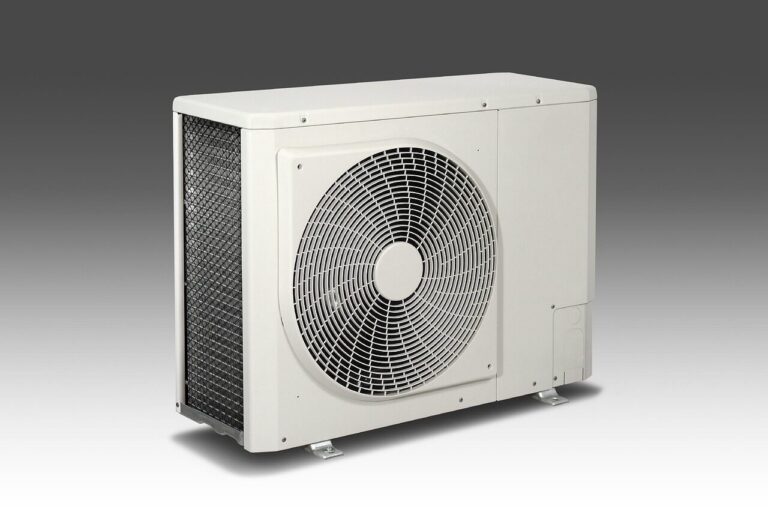
- Observe the outdoor unit from a safe distance: note whether it starts and whether its fan turns, but do not remove panels or reach into the cabinet.
- Weak airflow: possible causes include a dirty filter, blocked ductwork, frozen evaporator coil, or blower fault.
- Water around the indoor unit: inspect only accessible areas for an overflowing pan or blocked outlet; recurring water requires diagnosis.
- Warm air from vents: recheck the thermostat and filter before arranging service for coil, refrigerant, electrical, or compressor testing.
If the indoor fan runs but the outdoor unit remains silent, possible causes include a tripped breaker, capacitor or contactor fault, failed fan motor, control problem, or compressor issue. Testing is needed before replacing parts.
Patterns can provide useful context. Trouble limited to the hottest afternoons may involve high heat gain, duct leakage, dirty outdoor coils, equipment capacity or sizing, or another performance fault. That timing does not prove any one diagnosis.
If ice appears on the refrigerant lines or indoor coil, turn cooling mode off and arrange service. Do not chip or scrape the ice. A frozen coil can result from restricted airflow or a refrigerant problem, and continued operation may cause additional damage. See this frozen-coil troubleshooting guidance.
Checks that are not appropriate for routine DIY troubleshooting
Do not open electrical cabinets, test capacitors or contactors, reach near fan blades, or attach refrigerant gauges unless properly trained and authorized. These tasks can involve high voltage, stored electrical charge, moving components, and regulated refrigerants.
Hire an HVAC contractor who meets applicable state or local licensing requirements and can provide appropriate proof of insurance. Work that opens or services the refrigerant circuit—including attaching gauges or adding or removing refrigerant—must be performed by a technician with the applicable EPA Section 608 certification. Federal refrigerant certification is separate from state or local contractor licensing.
Repair Costs vs. Replacement: When to Call an HVAC Technician
Estimated U.S. AC repair and replacement costs for 2026
The following figures are national consumer-guide ballparks, not fixed or regulated prices.
| Service | Estimated cost | Context |
|---|---|---|
| Diagnostic or service call | $75–$200 | National estimate from HomeAdvisor; repairs and after-hours charges may be separate. |
| Capacitor replacement | $100–$400 | Published estimate from the Trane consumer cost guide. |
| Clogged condensate-line service | $75–$250 | Estimate for drain-line service from Fixr. |
| Refrigerant-leak repair and recharge | $200–$1,600 | Varies substantially with the leak location, refrigerant, charge quantity, and access; estimate from Fixr. |
| Compressor replacement | $600–$3,000 | Published range from the Trane consumer cost guide; system type and warranty status matter. |
| Evaporator-coil replacement | Often a four-figure major repair | Fixr and Trane publish substantially different ranges, so prioritize an itemized local quote. |
| Central AC installation | $3,887–$8,073 | Range reported by one June 2026 national installation guide; ductwork, electrical changes, equipment capacity, and access can raise the total. |
Inclusions vary among cost guides and contractors. Ask whether a quote includes parts, labor, the diagnostic fee, refrigerant and recovery, permits, taxes, disposal, and after-hours charges. For refrigerant work, confirm whether the quoted amount covers leak detection and repair or only a recharge.
Low refrigerant generally indicates a leak or an improper previous charge. Adding refrigerant without diagnosing the cause is not a complete repair. Refrigerant type can also materially affect a quote. According to the EPA’s homeowner refrigerant guidance, new U.S. production and import of R-22 ended on January 1, 2020, although reclaimed and previously produced R-22 can still be used to service existing equipment. An existing system is not automatically illegal or unrepairable solely because it uses an older refrigerant.
How to compare repair and replacement
Age alone does not determine whether an air conditioner should be replaced. ENERGY STAR suggests considering a professional evaluation when equipment is more than 10 years old or no longer maintaining comfort, but that is not an automatic replacement deadline.
- Repair may be reasonable when the fault is limited, parts are available, warranty coverage applies, and the system has otherwise been reliable.
- Replacement becomes more reasonable when an older system also needs a major repair, breaks down repeatedly, performs poorly, or has limited parts and refrigerant options.
- Compare actual written proposals rather than relying on a fixed age or percentage rule. Review repair scope, replacement scope, warranties, expected remaining life, and projected operating costs.
For a replacement proposal, ask how the equipment was sized and whether duct, drainage, electrical, or control changes are included. Correct sizing and installation quality affect comfort and performance; oversized equipment can cycle too frequently. See ENERGY STAR’s guidance on HVAC quality installation and obtaining written contractor proposals.
SEER2 is a standardized seasonal-efficiency measure. A higher rating indicates lower test-condition electricity use for the same cooling output, but it does not guarantee a particular utility-bill reduction. Climate, sizing, duct leakage, installation quality, thermostat use, and electric rates all affect actual costs. The Department of Energy explains central-air-conditioner efficiency comparisons.
For current central-AC shopping, note that ENERGY STAR sunset its central air conditioner specification on February 1, 2026. Compare SEER2, applicable DOE regional requirements, proper sizing, installation quality, and warranty terms rather than relying on an old central-AC certification label.
When to Stop the AC and Call a Technician
Turn cooling off, when it is safe to do so, and arrange prompt professional service if:
- Ice is visible on the coil or refrigerant lines.
- The AC trips its breaker again after one reset. Do not keep resetting it.
- Grinding, screeching, or heavy buzzing persists, or the outdoor unit hums while its fan remains stationary.
- Water is reaching electrical components, the drain pan is overflowing, or leakage continues after the system is turned off.
- There is a burning electrical odor, smoke, sparking, or visible electrical damage. For an active fire or smoke condition, leave the area and follow emergency guidance rather than approaching the equipment.
Schedule diagnostic service when warm air or weak airflow continues after checking the thermostat, filter, and vents; when the system repeatedly starts and stops; when persistent hissing accompanies reduced cooling or ice; or when runtime and electricity use increase without an obvious weather or rate explanation.
What to ask the contractor
- What fault was diagnosed, and what observations or measurements support it?
- Does the written estimate include parts, labor, diagnostic charges, refrigerant, permits, and warranty coverage?
- Are both repair and replacement options appropriate, and what assumptions were used for each?
- If replacement is proposed, how was the equipment sized and what duct or electrical work is included?
Consider another opinion before approving an expensive compressor, coil, or full-system replacement when the diagnosis or scope is unclear. Professional service may help maintain compliance with warranty terms, but requirements differ, so check the written warranty.
Bottom Line
Air conditioner symptoms are clues, not complete diagnoses. Homeowners can verify thermostat settings, inspect an accessible filter, check vents, and note whether a breaker has tripped. Electrical cabinets, capacitors, refrigerant circuits, and moving components should be left to appropriately qualified technicians.
Stop cooling when the system is frozen, repeatedly trips a breaker, leaks near electrical parts, or makes severe mechanical or electrical noises. For other persistent problems, obtain a documented diagnosis and itemized local estimate before deciding between repair and replacement.
Sources and Further Reading
- U.S. Department of Energy: Energy Saver 101—Home Cooling
- ENERGY STAR: HVAC Quality Installation
- U.S. EPA: Section 608 Technician Certification Requirements
- U.S. EPA: Refrigerant Questions for Homeowners and Consumers
- U.S. CPSC: Guide to Home Wiring Hazards
- ENERGY STAR: Tips for Hiring a Heating and Cooling Contractor

The HProb Home Editorial Team creates practical educational guides about home maintenance, plumbing, HVAC, roofing, moisture control, leak prevention, and homeowner safety. Our articles are prepared using manufacturer documentation, public safety guidance, building-code references, and reputable home-maintenance resources. HProb does not provide engineering evaluations, contractor services, or property-specific repair instructions. Electrical, gas, structural, refrigerant, roofing, and major plumbing work should be handled by appropriately qualified professionals when required.