
How to Protect Your Home From Mold, Moisture, and Poor Ventilation
Excess indoor moisture can damage paint, drywall, flooring, insulation, and furnishings. If mold develops, exposure may cause allergic or respiratory symptoms in some people, while others may have no symptoms.
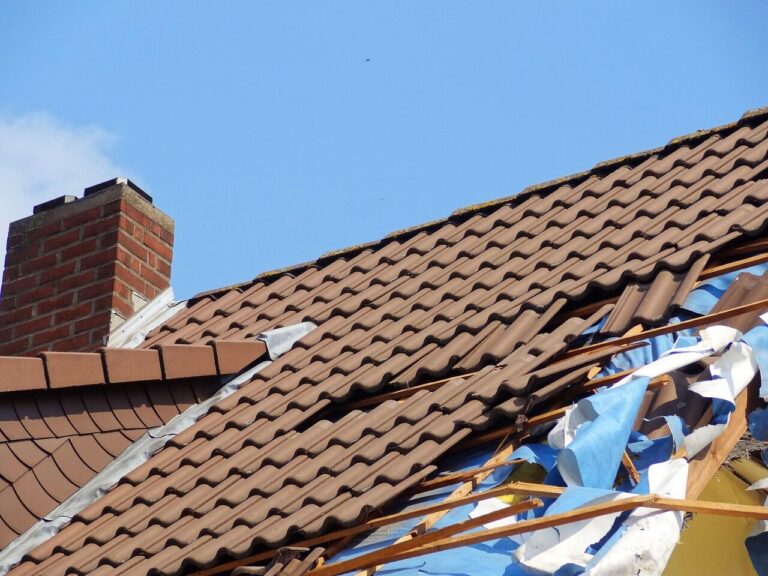
Moisture problems often begin with condensation, a plumbing or roof leak, poor exterior drainage, or inadequate exhaust ventilation. Dampness can spread behind finishes or under flooring before visible staining appears.
Protecting a home starts with controlling humidity, correcting the water source, and drying wet materials promptly. This guide explains how to recognize warning signs, improve ventilation, and decide when professional help may be appropriate.
Why Mold, Moisture, and Poor Ventilation Threaten Indoor Air Quality
Mold is more than a cosmetic stain. It can grow when spores land on damp materials, gradually damaging drywall, wood, carpet, insulation, and other porous surfaces. Mold spores can also become airborne, but this does not mean that every operating HVAC system makes indoor air quality worse.
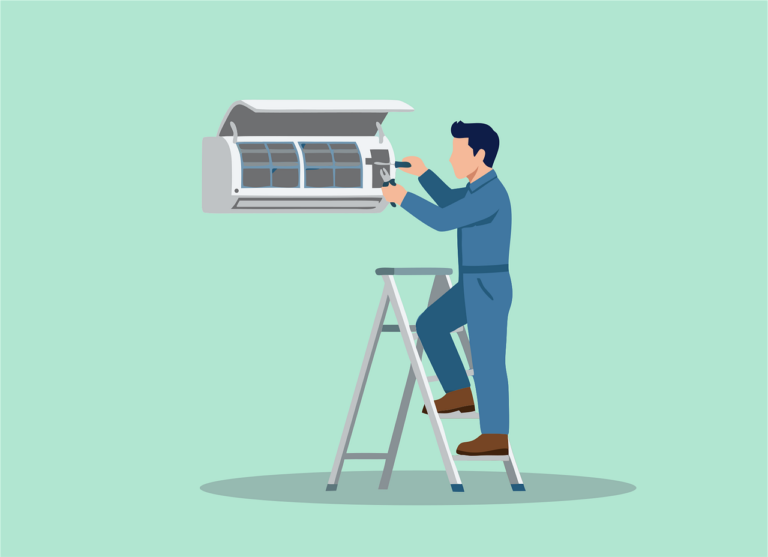
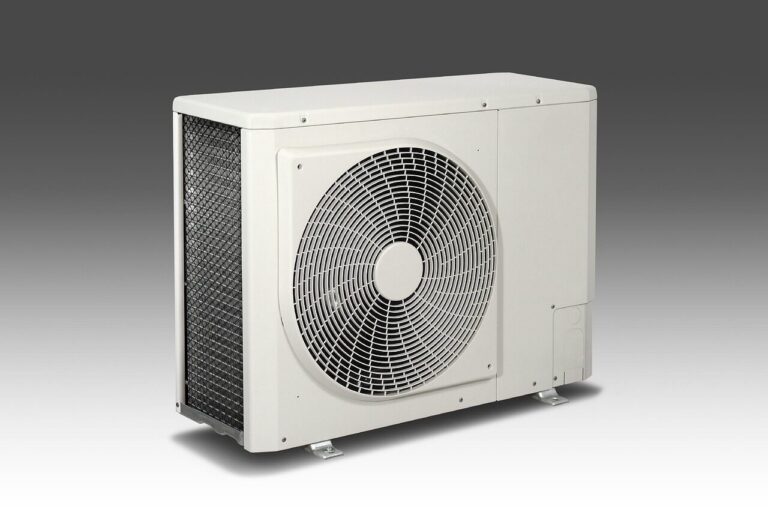
If an HVAC system is known or strongly suspected to be contaminated, avoid operating it until the moisture source and possible contamination have been evaluated. Warning signs include visible growth near an air intake, standing water around cooling equipment, an obstructed condensate drain, or persistently damp duct insulation.
Moisture issues often start quietly. Check slow leaks under sinks, condensation around windows, roof penetrations, and damp basement corners. Replacement windows and weatherization do not automatically cause mold, but projects that substantially reduce air leakage should be considered alongside the home’s ventilation needs.
Bathrooms without working outdoor-vented fans, kitchens without effective exhaust, and conventional vented clothes dryers that discharge into an attic, garage, or crawl space can add moisture to the home. When mold is visible, routine sampling is generally unnecessary. A visual inspection and investigation of the moisture source should come first because there are no federal airborne-mold limits that allow a home to simply pass or fail a mold test.
- Digital hygrometer: Measures relative humidity in the air and helps identify recurring humidity patterns.
- Building-material moisture meter: Screens accessible drywall, wood, flooring, or masonry for dampness. Readings depend on the material and do not prove that mold is present.
- ENERGY STAR-certified dehumidifier: Can help in basements and other persistently humid rooms when its capacity matches the space and dampness level.
- Leak-detection device: A point-of-use sensor or whole-home flow monitor can provide an earlier warning of unintended water use or dampness. Some systems can also shut off the water.
Early moisture detection can reduce the amount of material affected, but meters and monitors do not replace an inspection or correction of the underlying leak, condensation, drainage, or ventilation problem.
How to Control Humidity, Fix Leaks, and Improve Home Ventilation
Aim for indoor relative humidity of about 30%–50%, using 50% as a practical upper target. This is a recommended range rather than a guarantee against mold. During cold weather, a lower setting may be needed if condensation forms on windows or other cold surfaces.
If a basement smells musty after rain, use a properly sized dehumidifier while also checking gutters, downspouts, grading, foundation drainage, cracks, and plumbing. A dehumidifier can manage indoor humidity, but it will not repair water entry.
Handle leaks promptly, including small ones. Inspect under sinks, around toilet bases, near water heaters, behind washing machines, and along accessible attic roof decking after heavy rain. Leak sensors and flow-monitoring devices can shorten response time, but they cannot guarantee that water damage will be prevented.
- Run the bathroom exhaust fan during bathing and for about 20 minutes afterward, or until humidity returns toward its normal level. The fan should discharge outdoors rather than into the attic.
- Vent conventional vented clothes dryers outdoors, not into attics, garages, or crawl spaces.
- Arrange HVAC service if there is standing water, an obstructed condensate drain, persistently damp insulation, or suspected contamination in or near the system.
Opening windows can help when outdoor air is drier than indoor air and conditions are otherwise safe. In warm, humid weather, open windows may add moisture, making dehumidification or appropriately conditioned ventilation the better option. Use kitchen and bathroom exhaust at the moisture source, and replace HVAC filters according to the equipment manufacturer’s instructions. Filters support normal system operation but do not correct a water or mold problem.
Keep supply and return registers open and unobstructed, and allow air to circulate around cold exterior walls where condensation occurs. If a crawl space remains damp, first address roof runoff, grading, groundwater, plumbing leaks, and drainage. A sealed ground vapor retarder, encapsulation, conditioning, or dehumidification may be part of the solution, but the system should account for climate, radon considerations, drainage, and local code requirements.
Common Ventilation and Moisture Control Mistakes That Lead to Mold Growth
Running a bathroom fan for only a minute after a hot shower may leave substantial moisture behind. Persistent dampness can develop when a fan is undersized, dirty, rarely used, or vented into the attic instead of outdoors.
Air fresheners do not correct high humidity, basement dampness, or window condensation. A digital hygrometer provides more useful information by showing whether humidity remains elevated and whether ventilation or dehumidification is bringing it back toward the normal level for the home.
- Overlooking HVAC moisture problems: Obstructed condensate drains, standing water, damp insulation, and poorly sealed or insulated ducts can contribute to moisture problems. Replacing a filter alone will not remediate mold or repair a leak.
- Using the wrong dehumidifier capacity: An undersized unit may run continuously without controlling humidity. Choose capacity based on both the room size and how damp the space is.
- Blocking registers with furniture: Obstructing supply or return airflow can reduce circulation. Leave space around registers and around cold exterior walls where condensation or musty odors recur.
Kitchen and laundry habits matter too. Use an outdoor-vented range hood when boiling water or producing substantial steam, correct leaks under the sink, and avoid routinely drying wet clothes indoors without adequate moisture control.
For visible mold, routine air sampling is usually not the first step. Testing may be useful in limited circumstances when an experienced professional determines that the results will affect cleanup decisions. Professional help may also be appropriate for hidden moisture, recurring water entry, suspected HVAC contamination, structural damage, or extensive mold growth. Project scope and cost vary by location, labor, accessibility, affected area, materials, water source, and HVAC or structural involvement.
When DIY Mold Cleanup May Be Appropriate
EPA cleanup rule of thumb: Homeowners can generally handle a mold-affected area smaller than about 10 square feet when the water source has been corrected and the work can be completed safely. This is guidance, not a universal legal cutoff.
- Stop the moisture first: Repair or isolate the leak and dry wet materials as quickly as possible, ideally within 24–48 hours.
- Use appropriate protection: EPA’s minimum cleanup guidance includes an N95 respirator, gloves, and goggles for a small area. Respiratory protection must fit and be used correctly.
- Clean and dry hard surfaces: Use detergent and water, then dry the area completely. Porous materials that cannot be thoroughly cleaned and dried may need to be removed.
- Escalate larger or complex problems: Seek experienced professional help for larger areas, extensive water damage, hidden contamination, suspected HVAC involvement, structural damage, or sewage and other contaminated-water events.
People with asthma, COPD, weakened immune systems, or other significant respiratory vulnerabilities should avoid mold cleanup and heavily mold-damaged spaces. Anyone concerned about symptoms or personal risk should seek guidance from an appropriate healthcare professional.
Closing Recommendations
Treat condensation, musty odors, staining, and persistent humidity as signs that the source should be investigated. Cleaning a surface without correcting the leak, drainage problem, condensation, or inadequate exhaust allows the problem to return.
Practical takeaway: control humidity, repair leaks, dry wet materials promptly, vent moisture-producing rooms outdoors, and investigate recurring damp spots. Routine maintenance may be enough for a small, accessible issue; widespread mold, contaminated water, hidden damage, or HVAC involvement calls for experienced professional help.
Sources and Further Reading
- US EPA: A Brief Guide to Mold, Moisture and Your Home
- CDC: Mold and Health
- US Department of Energy: Consumer Guide to Home Ventilation
- US Department of Energy: Consumer Guide to Air Sealing the Home
- Home Ventilating Institute: Bathroom Ventilation
- ENERGY STAR: Dehumidifiers
- EPA WaterSense: Leak Detection and Flow Monitoring Devices
- US EPA: Mold Cleanup in Your Home
- US EPA: Is Sampling or Testing for Mold Necessary?
- US EPA: Should You Have the Air Ducts in Your Home Cleaned?
- US EPA: Moisture Control and Ventilation Considerations
- Building Science Education: Crawl-Space Ground Moisture Control

The HProb Home Editorial Team creates practical educational guides about home maintenance, plumbing, HVAC, roofing, moisture control, leak prevention, and homeowner safety. Our articles are prepared using manufacturer documentation, public safety guidance, building-code references, and reputable home-maintenance resources. HProb does not provide engineering evaluations, contractor services, or property-specific repair instructions. Electrical, gas, structural, refrigerant, roofing, and major plumbing work should be handled by appropriately qualified professionals when required.