Home Insurance and Roof Damage: What Homeowners Should Know
Homeowners insurance may pay for roof damage caused by certain sudden events, but it generally is not a roof maintenance plan. Whether a claim is covered—and how much the insurer may pay—depends on the cause of damage, policy language, deductible, roof condition, valuation method, exclusions, endorsements, and applicable state rules.
The most important step is to identify what happened and document it promptly without putting anyone at risk.
Why the Cause of Roof Damage Matters
Insurers generally evaluate roof claims by looking at the cause and timing of the loss. A damaged roof is not automatically covered simply because it leaks or needs replacement.
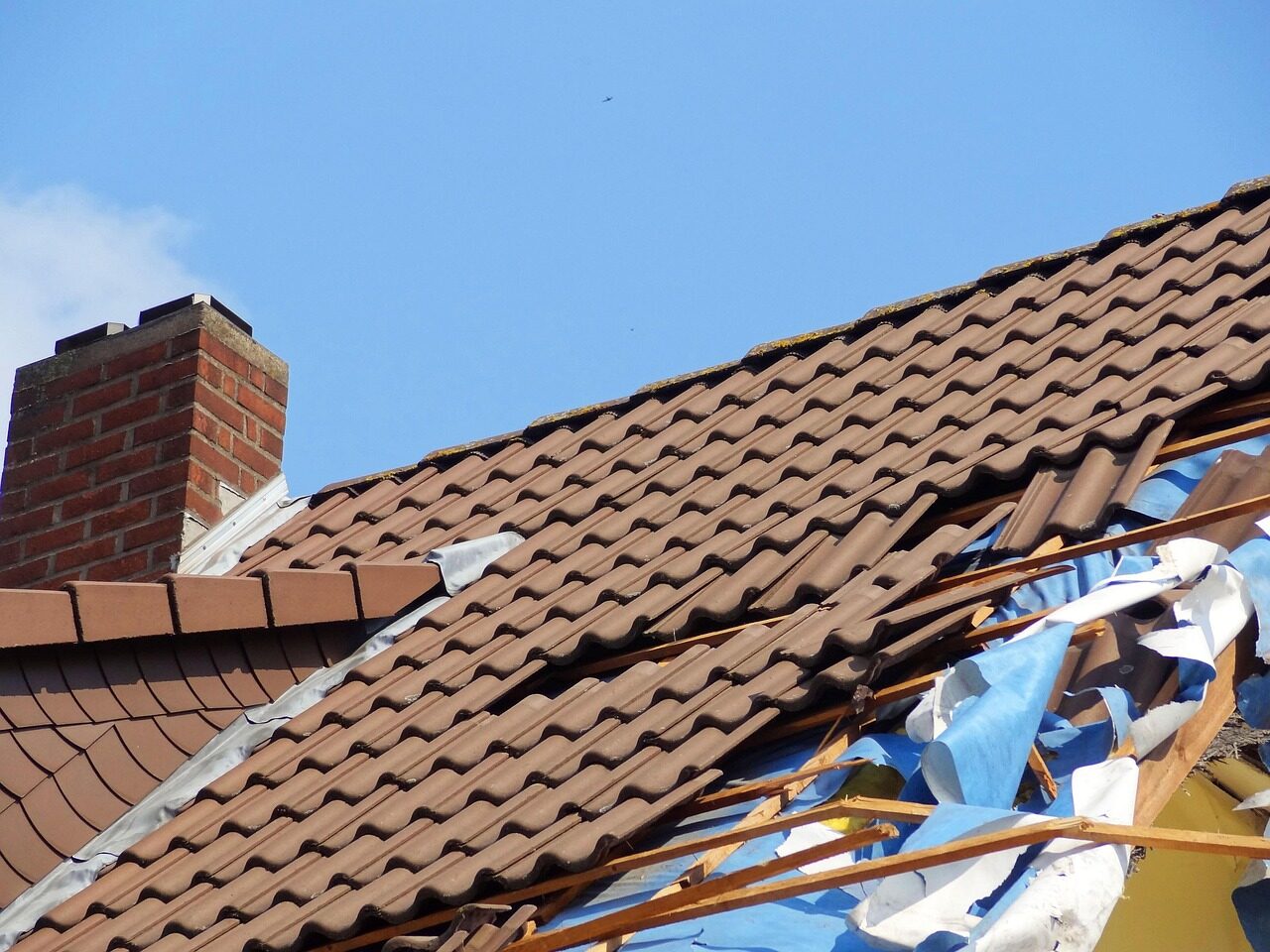
A policy may cover damage associated with a sudden event listed or otherwise covered under its terms, such as wind, hail, fire, or a falling object. Coverage is less likely when the damage developed through age, deterioration, inadequate maintenance, defective work, pests, or another excluded cause.
Sudden damage versus gradual deterioration
| Situation | How it may be evaluated | What to document |
|---|---|---|
| Shingles damaged during a windstorm | Potentially covered if wind is a covered cause and no exclusion or limitation applies | Storm date, photos from a safe location, debris, and inspection findings |
| Hail impacts roofing materials | May be covered, subject to proof of damage, deductibles, roof provisions, and policy terms | Date, weather information, photos, and a qualified inspection |
| Leak caused by long-term wear or neglected flashing | The deteriorated roof component may be excluded or limited | Maintenance records, prior photos, repair invoices, and the source of the leak |
| Tree limb falls onto the roof | May qualify as sudden physical damage, depending on the circumstances and policy | Overall scene, impact area, tree condition, and emergency repair receipts |
A claim may involve covered and excluded causes. How damage is allocated can depend on the policy’s causation provisions and applicable state law. For example, an insurer may conclude that a storm damaged some shingles but that other areas failed because of preexisting deterioration. It may then limit payment to the portion attributed to the covered event.
Interior water damage also requires a cause-based review. Damage to ceilings or walls following a covered storm-created opening or other covered cause may be treated differently from water intrusion caused by long-term seepage or poor maintenance. Do not assume that coverage for interior damage means the roof itself will be replaced.
How Roof Age and Condition Can Affect a Claim
Insurers may consider the roof’s age, material, maintenance history, prior repairs, installation condition, and damage that existed before the reported event. Older roofs are not automatically uninsured, but a policy may contain special roof provisions based on age or condition.
Depending on the insurer and policy, those provisions might:
- Settle roof damage using actual cash value rather than replacement cost.
- Use a roof payment schedule or other limitation.
- Exclude cosmetic damage that does not affect function.
- Require a higher deductible for wind, hail, hurricanes, or named storms.
- Limit coverage for particular roofing materials or conditions.
Review the declarations page, coverage forms, endorsements, and exclusions together. An endorsement can add, remove, or change coverage that would otherwise appear in the main policy form.
Understand the Deductible Before Filing
A deductible is the portion of a covered loss the homeowner is responsible for paying. If the amount of covered damage does not exceed the applicable deductible, the insurer may make no payment even when the event falls within the policy’s coverage.
Many policies use a fixed dollar deductible for ordinary property claims. In some locations, however, a separate wind, hurricane, or named-storm deductible may apply. These deductibles may be expressed as a percentage of the home’s insured value rather than as a flat amount, potentially making them substantially different from the standard deductible.
The trigger for a special deductible depends on the policy and applicable state requirements. A “named storm,” “hurricane,” and “windstorm” are not necessarily interchangeable terms. Ask the insurer or agent:
- Which deductible applies to this event?
- Is it a dollar amount or a percentage?
- What policy value is used to calculate a percentage deductible?
- What event or official designation triggers it?
- Does it apply per event, season, or calendar year?
Actual Cash Value Versus Replacement Cost
The valuation method can significantly affect a roof settlement. The declarations and endorsements should indicate whether roof damage is settled on an actual cash value basis, a replacement-cost basis, or under another roof-specific provision.
| Valuation method | General meaning |
|---|---|
| Actual cash value (ACV) | Generally accounts for depreciation based on factors such as age and condition. The initial or final payment may therefore be less than the cost of a new roof. |
| Replacement cost | Generally reflects the cost to repair or replace covered property with materials of like kind and quality, subject to policy limits and terms. |
Some replacement-cost policies initially pay an ACV amount and release recoverable depreciation after covered work is completed and required documentation is submitted. Deadlines and documentation rules vary, so ask the adjuster to explain the process in writing before work begins.
Replacement-cost coverage does not necessarily guarantee payment for every proposed upgrade or the contractor’s entire invoice. Policy limits, exclusions, code-related provisions, matching issues, depreciation rules, and the insurer’s estimate may affect payment.
What to Do After Roof Damage
1. Protect people first
Stay away from fallen power lines, unstable trees, sagging ceilings, standing water near electrical sources, and structurally damaged areas. Do not climb onto a wet, steep, icy, or visibly damaged roof. Use emergency services or qualified professionals when conditions present an immediate hazard.
2. Document the loss
Take reasonable photos and videos from the ground, through windows, or from another safe location. Document:
- The roof area and surrounding property.
- Missing or displaced roofing materials.
- Fallen limbs, hail, or storm debris.
- Water stains and damaged ceilings, walls, flooring, or belongings.
- The date and approximate time the damage was discovered.
- Temporary repairs and the condition before and after those repairs.
Preserve relevant evidence when practical. Do not discard damaged materials until the insurer has had a reasonable opportunity to inspect them or has told you they are no longer needed. Keep prior inspection reports, roof warranties, maintenance records, invoices, and dated photos showing the roof’s earlier condition.
3. Prevent additional damage safely
Policies commonly require homeowners to take reasonable steps to prevent further loss. This may include moving belongings away from a leak, placing a container under dripping water, or hiring a qualified professional to install a temporary covering.
Do not attempt dangerous roof work. Temporary measures should prevent further damage without concealing or destroying evidence. Save receipts because reasonable mitigation expenses may be relevant to the claim, although reimbursement is not guaranteed.
4. Contact the insurer promptly
Report the damage using the insurer’s claim channel and request a claim number. Ask what documentation is needed, whether an inspection will occur, and whether the insurer has instructions about emergency repairs. Policies may contain notice requirements, repair deadlines, proof-of-loss provisions, or limits on when legal action can be brought.
5. Obtain a qualified inspection and written estimate
A roofing contractor or other qualified professional can describe observed damage, measurements, proposed work, and estimated costs. Obtain a detailed written estimate rather than relying only on a verbal quote.
A contractor’s opinion is useful documentation, but the contractor does not decide insurance coverage. The insurer makes the initial coverage and payment decision under the policy; that decision may be challenged through review or dispute procedures available under the policy and applicable law. Avoid signing contracts that contain unclear payment obligations, assignment provisions, or promises about claim outcomes.
6. Review the insurer’s decision
Compare the adjuster’s estimate with the contractor’s scope. Look for differences in measurements, materials, damaged areas, depreciation, deductible, and whether payment is being withheld until repairs are completed. Request clarification in writing if an item was omitted or denied.
Why Roof Claims May Be Limited or Denied
Common reasons include:
- The insurer attributes the damage to wear, deterioration, rot, repeated seepage, poor maintenance, pests, or defective installation rather than a covered event.
- The roof damage predates the policy period or was not caused by the reported storm.
- The applicable deductible exceeds the amount of covered damage.
- An exclusion, cosmetic-damage provision, roof schedule, or endorsement limits payment.
- The homeowner did not comply with a material notice, proof-of-loss, inspection, cooperation, or evidence-preservation requirement, where the policy and applicable law permit that failure to affect the claim.
- The requested work includes upgrades, undamaged areas, or costs not covered by the policy.
- The policy limit is insufficient for the full repair cost.
Request that any denial or limitation identify the factual basis and relevant policy provisions in writing. Also ask for the decision, estimate, and inspection findings.
Questions to Ask Your Insurer or Agent
- Is my roof covered at actual cash value or replacement cost?
- Does my policy contain a roof age schedule, cosmetic-damage exclusion, or material limitation?
- Which deductible applies to wind, hail, hurricanes, or named storms?
- Are code-required upgrades covered by an ordinance or law endorsement?
- How does the policy address matching undamaged roofing materials?
- What are the deadlines for notice, proof of loss, repairs, and replacement-cost documentation?
- Is depreciation recoverable, and what must I submit to recover it?
- What temporary repair expenses may be considered?
- What specific policy provision supports any limitation or denial?
If You Disagree With the Claim Decision
Start by sending the adjuster a concise written request for reconsideration. Identify the disputed items and include relevant photos, reports, receipts, maintenance records, and contractor estimates. Ask the insurer to explain any coverage position using the exact policy language.
If the dispute remains unresolved, follow the insurer’s escalation or complaint process. Your state department of insurance may explain general consumer rights, provide complaint procedures, and review whether the insurer followed applicable insurance rules. It generally cannot rewrite the policy, guarantee payment, or act as the homeowner’s attorney, and its authority varies by state.
For advice about legal rights, contractual obligations, or litigation deadlines, consult an appropriately licensed attorney. This article is not legal advice.
Final Recommendations
Do not wait for a storm to learn how your roof is insured. Review your declarations, deductibles, exclusions, and endorsements now, paying particular attention to roof valuation and wind-related provisions.
- Maintain dated roof photos, inspection reports, warranties, and repair receipts.
- After damage, prioritize safety, document conditions, and report the loss promptly.
- Use qualified professionals for inspections and temporary roof work.
- Treat contractor estimates as supporting documentation—not promises of insurance coverage.
- Request claim decisions and policy explanations in writing.
Coverage depends on the individual policy and facts. Roof condition and age, insurer practices, exclusions, endorsements, deductibles, and state rules can vary, so verify the details directly with your insurer or licensed agent.
Sources & Further Reading
- National Association of Insurance Commissioners (NAIC) — Homeowners Insurance
- Texas Department of Insurance — Insurance and Your Roof: What to Know When Buying a Policy or Filing a Claim
- NAIC — What’s the Difference Between Actual Cash Value Coverage and Replacement Cost Coverage?
- NAIC — Post-Disaster Claims Guide
- NAIC — What Are Named Storm Deductibles?
- NAIC — Navigating the Claims Process: Recover and Rebuild
- NAIC — Assignment of Benefits: Consumer Beware
- NAIC — Need Help with Insurance? Your Insurance Department Is Here for You
- CDC — Safety Guidelines: Returning Home After a Natural Disaster

The HProb Home Editorial Team creates practical educational guides about home maintenance, plumbing, HVAC, roofing, moisture control, leak prevention, and homeowner safety. Our articles are prepared using manufacturer documentation, public safety guidance, building-code references, and reputable home-maintenance resources. HProb does not provide engineering evaluations, contractor services, or property-specific repair instructions. Electrical, gas, structural, refrigerant, roofing, and major plumbing work should be handled by appropriately qualified professionals when required.